Bottle and Closure Test Conditions
Record elapsed time after capping, storage conditions and the agreed opening procedure alongside each reading.
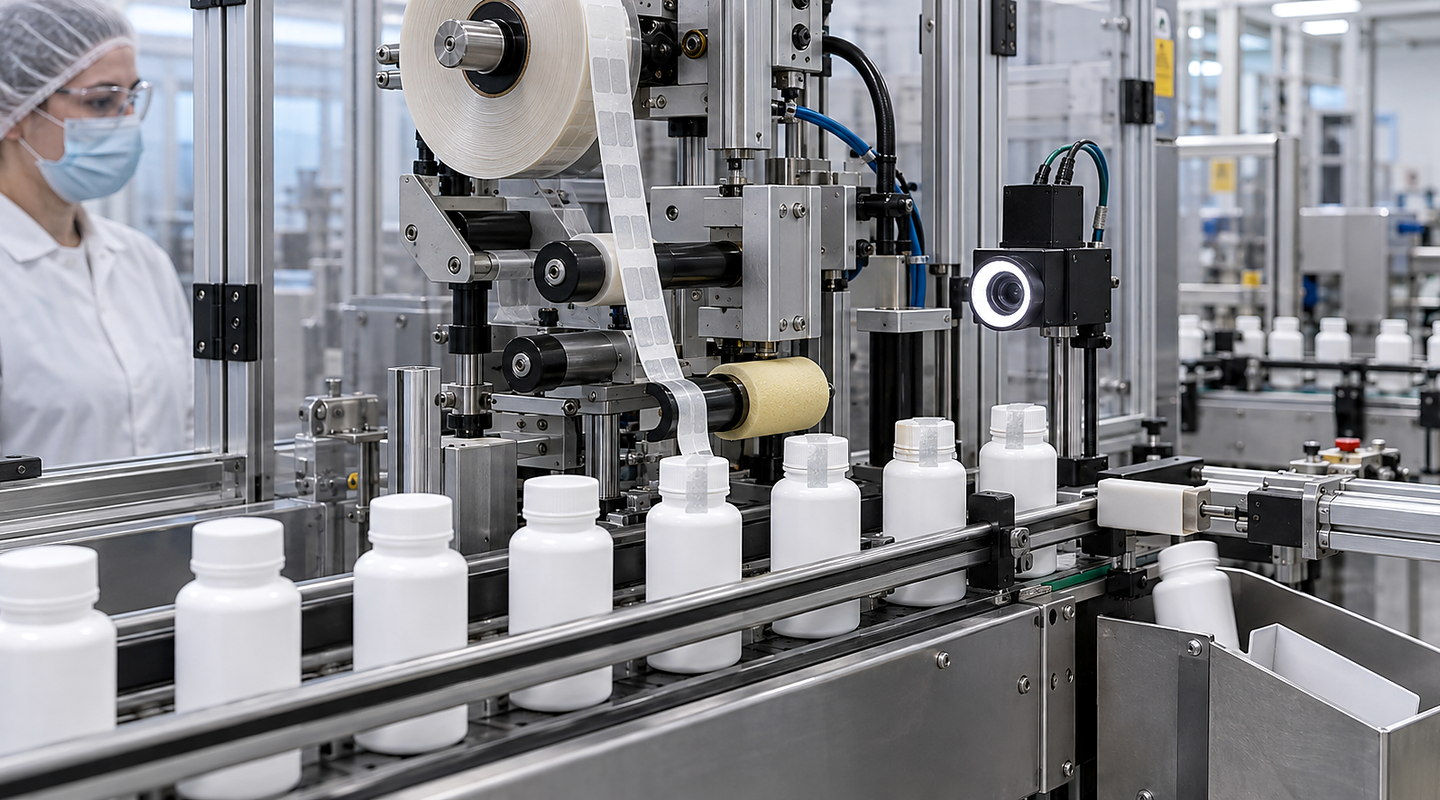
Record bottle and cap references, conditioning time and the test procedure before comparing application or removal torque results.
Record bottle and cap references, elapsed time after capping, storage conditions and the agreed opening procedure. Use these details to explain what each torque comparison represents.
Keep the timing and procedure consistent within a comparison; record changes in sample condition rather than treating unlike tests as equivalent.
Define the sample condition and test timing before comparing closure-torque results. Record the bottle, cap and opening procedure used for each observation.
Discuss your application
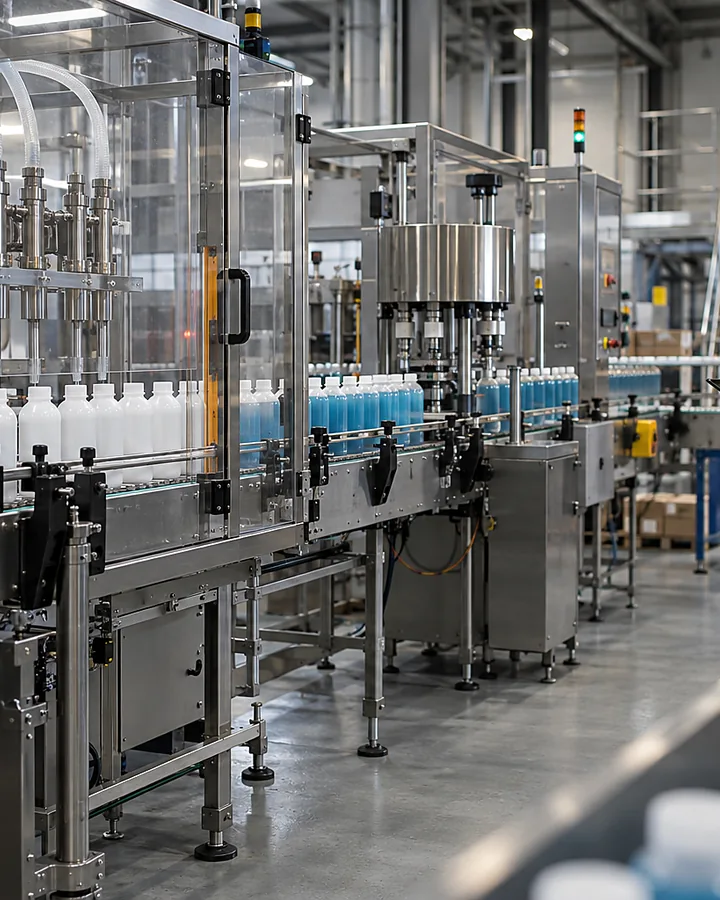
Keep the sample conditions, method and decision together with the readings. Record a change in condition or procedure rather than treating unlike tests as equivalent.
| Record field | What to enter |
|---|---|
| Bottle and closure | Bottle and cap references, formats and the representative sample variants. |
| Sample identity | The line, closure batch, product and time associated with the sample. |
| Measurement event and units | Whether the reading is for application or removal, the required torque range and the unit used. |
| Conditioning and timing | Elapsed time after capping, storage conditions and the agreed conditioning interval. |
| Restraint and procedure | Bottle restraint, cap grip and the agreed opening or application procedure. |
| Reading and exception | The original reading and any retest reason; retain changes in sample condition or handling. |
| Decision to be made | The production decision, agreed pack limits and the responsible specification owner. |
Record elapsed time after capping, storage conditions and the agreed opening procedure alongside each reading.
Identify bottle and cap references so a change of format is visible in the comparison.
Name the application or removal event, required torque range and unit before judging a difference.
Link each sample to its line, closure batch, product and time; keep comparisons within the agreed sampling method.
Record bottle restraint and cap grip so a handling change does not become an unexplained result change.
Keep the original reading and any retest reason. Investigate sealing performance separately when torque results do not explain the pack issue.